The Miombo woodlands, spanning 53% of Zambia’s land, are vital for biodiversity, carbon sequestration, and rural livelihoods, supporting species like Brachystegia spp. and Julbernardia spp. Yet, deforestation from charcoal production, firewood extraction, and slash-and-burn agriculture (chitemene) threatens their integrity. The Bridelia Forest Management Limited (BFML) initiative addresses these challenges through a community-driven, ecologically sound restoration strategy that balances Miombo regeneration with sustainable livelihood solutions.
BFML’s methodology aims to:
The approach combines ecological restoration with socio-economic solutions, addressing unmet needs (e.g., cooking fuel, timber) to ensure long-term success.
BFML targets degraded communal lands with 10–30% canopy cover, prioritizing areas near protected zones like Kafue National Park. Using tools like Landsat 8 OLI and community mapping, BFML delineates restoration sites, eucalyptus plantations (20 ha per chiefdom), bamboo buffers, and grazing areas, ensuring ecological and cultural compatibility.
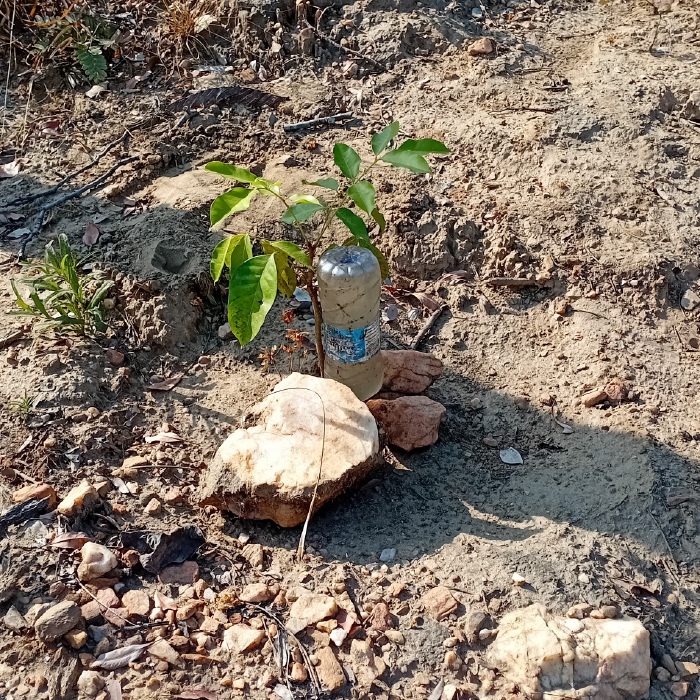
Restoration focuses on native species:
Fast-growing Eucalyptus spp. and Bambusa vulgaris reduce pressure on hardwoods, supporting biochar and artisanal crafts.
BFML employs:
Early-season (cold) burns stimulate regeneration, while late-season (hot) fires are suppressed. Firebreaks and community patrols enhance protection. Open woodlands (≤30% canopy) and silvopastoral corridors maintain livestock grazing capacity.
Community Forest Management Groups (CFMGs), led by traditional leaders, ensure equitable benefits. Livelihood incentives include beekeeping, fruit orchards, and bamboo-based industries, reducing reliance on shifting cultivation.
BFML tracks ecological metrics (e.g., survival rate, Shannon Diversity Index) and carbon sequestration using IPCC models. Satellite imagery (Planet Scope) monitors canopy recovery. Results are shared with national authorities and IUCN, promoting global conservation.
BFML’s integrated model restores Miombo woodlands while empowering communities. By blending native species enrichment, sustainable offsets (Eucalyptus, bamboo), fire-smart management, and community governance, BFML fosters resilient ecosystems and livelihoods in Zambia, offering a scalable solution for woodland restoration.